
This page brings together recommended resources from the Pink Money Podcast — from crisis support to caregiving tools to financial wellness guides. Everything here is hand-selected with clarity, accessibility, and real-life usefulness in mind.
____________________________________
💙 The Trevor Project – LGBTQ+ Crisis Support
If you’re feeling hopeless, alone, or just need someone to talk to, The Trevor Project is here 24/7. They provide free, confidential crisis support for LGBTQ+ young people by phone, text, or online chat — no judgment, just understanding.
📞 Call: 1-866-488-7386
📱 Text: START to 678-678
Visit: https://www.thetrevorproject.org
_______________________________________
IRS TIP LOG SHEET & LINKS
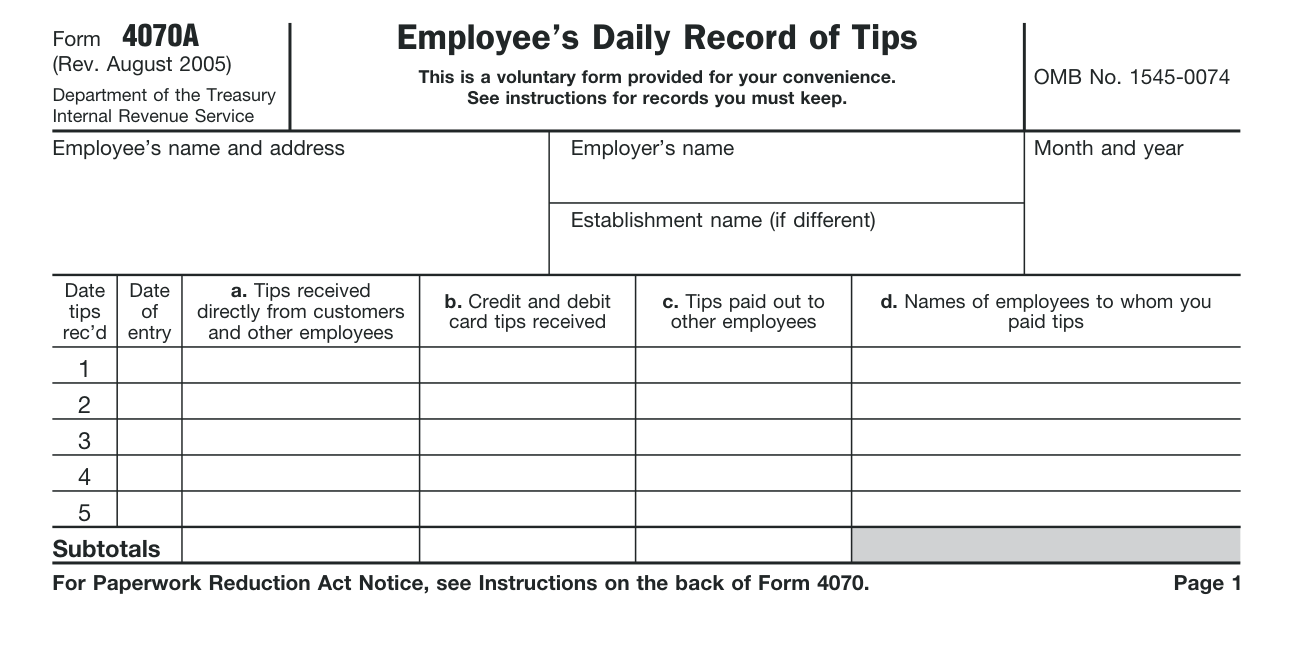
Direct PDF (Form 4070A – Employee’s Daily Record of Tips):
https://www.irs.gov/pub/irs-prior/f4070a--2005.pdf
IRS tip recordkeeping guidance page:
https://www.irs.gov/businesses/small-businesses-self-employed/tip-recordkeeping-and-reporting
Publication 531 (Reporting Tip Income) – notes Pub 1244 is obsolete:
https://www.irs.gov/publications/p531
_____________________________
🌿Dementia & Caregiving Resources
Clear guidance, trusted organizations, and practical help for families.
Caring for someone with dementia is emotional, overwhelming, and often isolating — but you don’t have to navigate it alone. These resources offer reliable information, practical support, and compassionate tools for caregivers at every stage. Here are a few organizations you may find helpful:
🧠 Alzheimer’s Association
The largest and most trusted resource for dementia and Alzheimer’s information.
Includes caregiver guides, symptom explanations, support groups, a 24/7 helpline (800-272-3900), and local chapters nationwide.
Why it’s helpful:
A lifeline for families who need clarity, community, or urgent support.
🧓 National Institute on Aging (NIA)
Evidence-based explanations of dementia, aging, brain health, caregiving, and behavioral changes — all written in simple, accessible language.
Why it’s helpful:
It’s the most medically accurate, plain-English breakdown of complex topics.
🤝 Family Caregiver Alliance
Comprehensive tips, fact sheets, guides, and online support created specifically for caregivers managing dementia or cognitive decline in the home.
Why it’s helpful:
Offers practical, real-life tools for day-to-day care, emotional support, and family dynamics.
💜 Dementia Care Central
https://www.dementiacarecentral.com
Straightforward explanations of symptoms, stages, communication strategies, and what to expect as dementia progresses.
Why it’s helpful:
Clear advice for everyday challenges — especially helpful for new caregivers.
🎥 Teepa Snow’s “Positive Approach to Care”
Short, compassionate videos explaining why dementia behaviors happen and how to respond with gentleness, patience, and safety.
Why it’s helpful:
Teepa Snow is one of the most respected dementia educators in the world. Her videos are eye-opening for families.
🗺 Eldercare Locator (U.S.)
https://eldercare.acl.gov/home
Search for local caregiving services, respite care, adult day programs, home-safety assessments, and your nearest Area Agency on Aging.
Why it’s helpful:
Perfect for families who need real-world, local help — not just information.
💬 Caregiver Support Lines
Alzheimer’s Association Helpline: 800-272-3900
NAMI HelpLine (mental health support): 800-950-NAMI (6264)
📝 Free Guide from Pink Money
“When Aging Changes the Story: Understanding Dementia’s Stages Without Losing Yourself.”
A compassionate, plain-language breakdown of the stages of dementia, written for real families.
Read the full guide → https://www.pinkmoneypodcast.com/blog/when-aging-changes-the-story-understanding-dementias-stages-without-losing-yourself/
🌱 A Final Thought
You don’t have to be a medical expert to be a good caregiver.
You just have to show up with love, curiosity, and patience.
And you don’t have to do it alone.
❤️
_______________________________________
🤝 SAMHSA National Helpline – Addiction & Recovery Support
Visit: https://www.samhsa.gov/find-help/national-helpline
If you or someone you care about is struggling with alcohol or substance use, help is always available. The SAMHSA National Helpline connects you to local treatment options, recovery resources, and someone who understands — any day, any hour.
📞 Call: 1-800-662-4357 (English & Spanish, 24/7)
_______________________________________
🧓 Medicare Basics – Costs & Enrollment
Plain-English help for navigating Medicare decisions.
What does Medicare cost?
What you pay will depend on:
- Which parts you have (Part A, Part B, Medicare Advantage/Part C, and/or drug coverage/Part D)
- Whether you add extra coverage, like a Medicare Supplement (Medigap) policy
- Which doctors, hospitals, and pharmacies you use
- How often you use care during the year
Original Medicare (Parts A & B) doesn’t have a built-in yearly limit on what you pay out of pocket. Many people use a Medigap policy or a Medicare Advantage Plan to help manage and cap their costs.
Key Terms in Plain English
- Premium – What you pay each month to have coverage, whether you use it or not.
- Deductible – The amount you pay out of pocket each year before Medicare or your plan starts paying for certain services.
- Coinsurance – Your share of the bill, usually a percentage (for example, Medicare pays 80%, you pay 20%).
- Copayment (copay) – A flat dollar amount you pay when you see a doctor or fill a prescription (for example, $20 per visit).
When can you join or change a Medicare plan?
You can’t change Medicare plans whenever you want. There are specific enrollment periods when you’re allowed to join, switch, or drop coverage:
- Initial Enrollment Period (when you’re first getting Medicare)
You get a one-time window around the month you first qualify for Medicare to: -
- Join a Medicare Advantage Plan (you usually need both Part A and Part B).
- Join a Part D drug plan (you need either Part A or Part B).
- New to Part B (if you had Part A first)
If you already had Part A and later add Part B, you get a short window after Part B starts to:- Join a Medicare Advantage Plan (with or without drug coverage)
- Outside of these times, you may have to wait for a special enrollment or the yearly fall open enrollment to make changes.
Heads up: This section is for education only. Medicare rules are detailed and personal, and they can change. Always double-check your options at Medicare.gov, Social Security, or with a licensed Medicare advisor advisor before enrolling or switching plans.
https://www.medicare.gov/basics/get-started-with-medicare
_______________________________________
📊 Financial Tools & Pink Money Guides
📘 IRS Gig Economy Tax Center
Clear guidance for gig workers on reporting income, quarterly estimated taxes, deductions, and recordkeeping.
🌐 Visit: https://www.irs.gov/businesses/gig-economy-tax-center
_______________________________________
📄 Pink Money Baby Steps Worksheet
Step-by-step guide for building a strong financial foundation, designed with the LGBTQ+ community in mind.
📥 Download: https://drive.google.com/file/d/1yHXVsJax2e5nS7rlqkWXflhQWGNQWHpf/view?usp=sharing
_______________________________________
Pink Money LGBTQ+Financial Wellness Checklist and get started on your own financial wellness journey.
👉 Download the guide for free
LGBTQ+ Financial Wellness Checklist (PDF)
_______________________________________
Head of Household Flowchart

👉Download the Head of Household Flowchart (PDF)
- (Free PDF)
_______________________________________
📥 2025 IRS Tax Changes Cheat Sheet
Stay up to date with the latest IRS adjustments for 2025 — including standard deduction amounts, contribution limits, and more. Download our free one-page reference guide to keep handy during tax season.
👉 Download the 2025 Tax Cheat Sheet (PDF)
- (Free PDF)
_______________________________________
Annual Credit Report.com
FREE Credit Reports. Federal law allows you to:
- Get a free copy of your credit report every 12 months from each credit reporting company.
- Ensure that the information on all of your credit reports is correct and up to date.
You can review your credit reports free once per year from each of the three major bureaus — Experian, Equifax, and Transunion